High-Performance Hydraulic Flow Control Valves
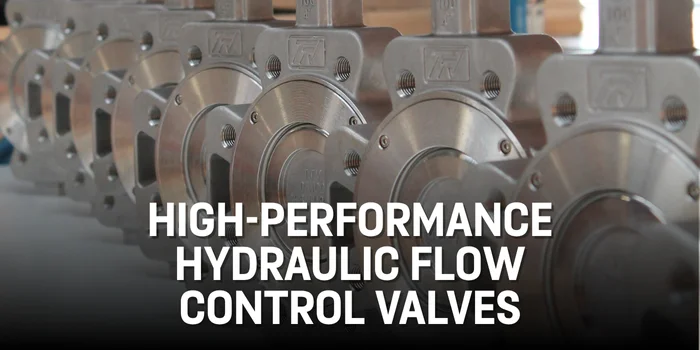
Hydraulic systems are the backbone of countless industrial and mobile applications—from factory automation and agricultural machinery to construction equipment and energy production. At the heart of many of these systems lies a critical component: the Hydraulic Flow Control Valve. These valves are engineered to manage the speed and direction of hydraulic fluid flow, ensuring precise control and efficient operation under varying pressure conditions.
A Hydraulic Flow Control Valve does exactly what its name implies—it controls the rate of flow within a hydraulic system. But its impact is far more significant than that. By regulating fluid velocity, these valves enable operators to fine-tune movement speed in actuators, reduce energy consumption, and improve overall system responsiveness. Without flow control, hydraulic systems can become inefficient, dangerous, or even fail under fluctuating conditions.
Whether you’re operating a high-powered excavator, a CNC press, or a manufacturing conveyor, using the right flow control valve ensures equipment longevity, smoother performance, and lower energy usage. Designed for durability, accuracy, and ease of integration, our Hydraulic Flow Control Valves deliver optimal flow regulation in even the harshest industrial environments.
Why Hydraulic Flow Control Valves Are Important
Hydraulic systems operate under intense pressure—and even the smallest fluctuation in fluid speed or direction can result in costly downtime or equipment damage. Flow control valves offer a safeguard by:
-
Ensuring precise speed control of hydraulic actuators (like cylinders and motors)
-
Maintaining balanced pressure throughout the system
-
Supporting energy-efficient operation by avoiding over-pumping or cavitation
-
Allowing for smooth acceleration and deceleration, which extends machine life
In short, a flow control valve acts like the brain of your hydraulic system—quietly and constantly adjusting conditions to keep everything running at its best.
Key Features of Hydraulic Flow Control Valves
-
Adjustable Flow Settings: Fine-tune system performance with precise metering capabilities, improving control over speed and movement.
-
One-Way or Bi-Directional Flow Control: Available with reverse check functionality for flexible flow management.
-
High Pressure Tolerance: Built to withstand operating pressures up to 400 bar (or higher depending on model).
-
Temperature Resilience: Performs reliably across a wide temperature range, suitable for indoor and outdoor installations.
-
Compact and Durable Design: Space-saving construction with corrosion-resistant materials like stainless steel and hardened brass.
-
Threaded or Cartridge Options: Fits seamlessly into existing hydraulic setups, whether for inline or manifold block mounting.
-
Agriculture – Control the lowering speed of ploughs, harvesters, and seed drills to match terrain or crop type.
-
Construction Equipment – Used in cranes, loaders, and excavators to regulate boom or arm movement.
-
Manufacturing Automation – Essential for robotic arms, stamping presses, and conveyor belt drives.
-
Material Handling – Optimises flow in scissor lifts, pallet trucks, and hydraulic jacks for smooth elevation control.
-
Marine & Offshore – Used in winch systems and steering gear for precision under high-pressure conditions.
-
Renewable Energy – Integrated into turbine controls or hydraulic pitch systems in wind farms.
Why Use Flow Control Valves Over Other Valve Types?
Unlike on/off directional control valves that simply start or stop flow, Hydraulic Flow Control Valves allow fine adjustment of how much fluid is moving and how fast. This matters when:
-
You need gradual starts/stops instead of jerky movements
-
Load-sensitive applications demand fine-tuned regulation
-
Backpressure and shock loads must be controlled to prevent damage
They complement other hydraulic components and are often used in combination with relief valves, directional valves, and accumulators.
Frequently Asked Questions (FAQs)
Q1: What is a hydraulic flow control valve used for?
A: It’s used to regulate the speed of actuators in a hydraulic circuit by controlling the rate at which hydraulic fluid flows through the system.
Q2: How is a flow control valve different from a pressure relief valve?
A: Flow control valves regulate fluid speed; pressure relief valves protect the system from excessive pressure by releasing fluid when thresholds are exceeded.
Q3: Can flow control valves work in both flow directions?
A: Some are bi-directional, but many include a check valve to allow unrestricted return flow in one direction only.
Q4: Are flow control valves adjustable?
A: Yes, most models allow for manual or automatic adjustment to fine-tune flow rates for different loads or speeds.
Q5: What materials are hydraulic flow control valves made from?
A: Common materials include stainless steel, brass, hardened steel, and aluminium depending on application and environment.
Q6: Where should a flow control valve be installed in a system?
A: Typically in the pressure line going to the actuator or in the return line, depending on desired flow characteristics.
Q7: Do flow control valves affect pressure?
A: Yes—by restricting flow, they can influence pressure build-up, which is why they are often paired with pressure compensators or relief valves.
Q8: Can I use flow control valves in high-temperature applications?
A: Yes, provided they are constructed from materials rated for the specific temperature range.
Q9: How often do hydraulic flow control valves need maintenance?
A: Minimal maintenance is required, though periodic inspections for debris or seal wear are recommended.
Q10: Are these valves suitable for mobile hydraulic equipment?
A: Absolutely. They're widely used in mobile applications like tractors, dump trucks, and lifting platforms.
Q11: What size valve do I need?
A: It depends on your system’s flow rate (L/min or GPM), pressure, and application. Always match the valve size to your actuator’s requirements.
Q12: Can flow control valves be automated?
A: Yes, some advanced models integrate with electronic systems for automated or sensor-based control.
Conclusion
From agriculture to heavy machinery, Hydraulic Flow Control Valves are a foundational element in any high-functioning hydraulic setup. They deliver the precision, durability, and control needed to keep your operations smooth, safe, and efficient. Whether you need to slow down a cylinder, regulate a motor, or optimise energy usage—these valves give you the power to do it right.