Understanding Flow Control Valves: Types, Functions & Applications
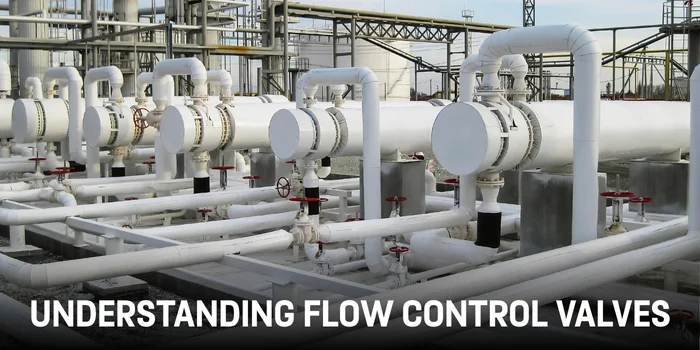
Introduction to Flow Control Valves
A flow control valve is an essential component in a piping system, designed to regulate the rate and pressure of a fluid moving through a pipeline. Whether it's water, gas, steam, or chemical media, a flow control valve ensures that the process operates safely, efficiently, and within defined parameters. Used across industries from oil & gas to food processing, these valves play a crucial role in managing system performance, reducing waste, and protecting equipment.
How Valves Control Flow in Pipelines
Flow control valves work by opening, closing, or partially obstructing passageways within a pipeline. Depending on the design and purpose, they may throttle the flow, maintain pressure, or completely shut off the media. Actuation—whether manual, electric, pneumatic, or hydraulic—enables the control valve to function in response to signals or direct operation. With the correct flow control valve installed, operators can manage flow rate, direction, pressure levels, and even prevent backflow.
Types of Flow Control Valves and Their Functions
Ball Valves Ball valves are one of the most common types of flow control valves. With a spherical disc that controls flow through a hollow center, ball valves provide quick shut-off and are ideal for on/off service. They're widely used in chemical, water, and oil systems where tight sealing is essential.
Butterfly Valves Butterfly valves use a rotating disc to control the flow of media. These flow control valves are compact, lightweight, and suitable for large diameter pipelines. They are commonly found in HVAC systems, water treatment, and marine applications.
Gate Valves Gate valves are designed for full open or close service. By lifting or lowering a gate, these flow control valves allow for unobstructed flow or complete shut-off. Gate valves are widely used in water and gas utilities where minimal pressure drop is required.
Globe Valves Globe valves regulate flow with a movable disc-type element and a stationary ring seat. These flow control valves offer excellent throttling capabilities and are typically used in applications requiring precise flow control, such as in steam and condensate systems.
Solenoid Valves Solenoid valves are electrically controlled flow control valves. When energized, the solenoid coil actuates the valve mechanism, allowing or stopping media flow. These valves are ideal for automated control systems in applications like irrigation, compressed air, and process control.
Knife Gate Valves Knife gate valves are designed to cut through thick media, such as slurries and viscous fluids. These flow control valves are commonly used in wastewater, mining, and pulp & paper industries where a straight-through flow path is needed.
Diaphragm Valves Diaphragm valves use a flexible diaphragm to regulate flow. These flow control valves are suitable for hygienic and corrosive environments, making them ideal for pharmaceutical, food & beverage, and chemical processing industries.
Plug Valves Plug valves have a cylindrical or conically tapered plug that can be rotated to control flow. These flow control valves are known for simple design, easy operation, and suitability for both on/off and throttling services in industries such as gas distribution and petrochemicals.
Flow control valves are used in a wide range of applications, each requiring specific performance criteria:
-
Water & Wastewater Treatment: Ball, butterfly, and diaphragm valves regulate the flow of clean and dirty water.
-
Oil & Gas Industry: Gate, globe, and plug valves manage high-pressure oil, steam, and gas flow.
-
Chemical Processing: Corrosion-resistant flow control valves like diaphragm and plug valves handle aggressive fluids.
-
HVAC Systems: Butterfly and globe valves control temperature and pressure in heating and cooling systems.
-
Food & Beverage: Diaphragm valves ensure sanitary flow control in clean-in-place (CIP) systems.
-
Pharmaceuticals: Precise and sterile flow control is achieved with diaphragm and solenoid valves.
Conclusion
Flow control valves are the backbone of any efficient fluid handling system. From basic shut-off tasks to advanced pressure regulation, the right flow control valve ensures system stability, safety, and efficiency. By understanding the different types of flow control valves and their specific applications, industries can make informed decisions that enhance performance and reduce downtime. Whether you're dealing with water, gas, steam, or chemical fluids, there's a flow control valve engineered to meet your needs.
Flow control valves are not one-size-fits-all—and with so many configurations available, selecting the best type depends entirely on the specific process, media, and system requirements. Always work with a trusted supplier to find the ideal flow control valve solution for your application.