Why Is My Solenoid Valve Leaking? Common Causes and Fixes
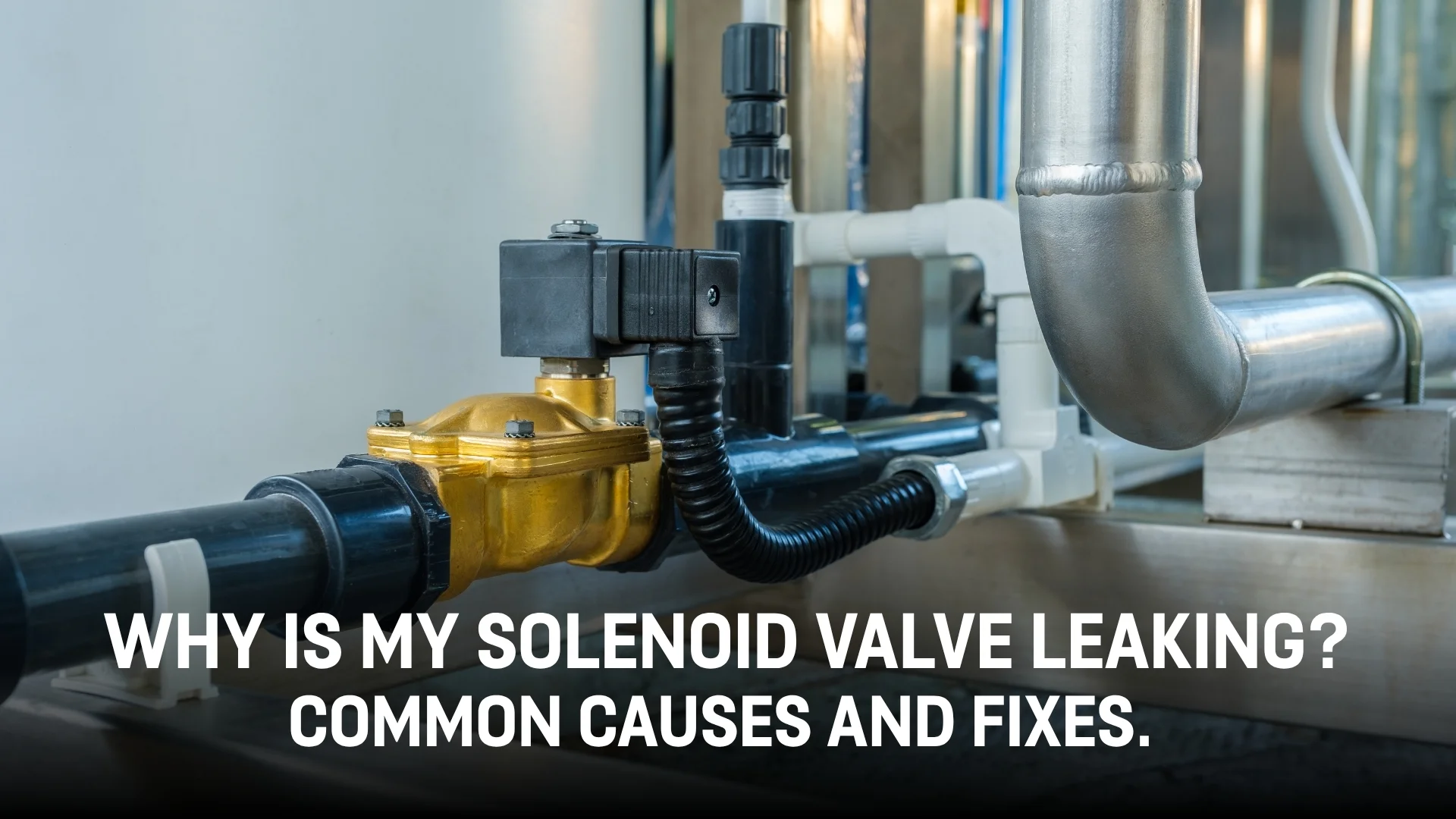
Solenoid valves are widely used across countless industries—from pneumatic automation and HVAC systems to water treatment and steam applications. However, one of the most common issues operators face is a solenoid valve leaking. Whether it’s a slow drip, internal bypass, or external leak, understanding why it’s happening is essential to prevent downtime, maintain efficiency, and avoid costly equipment damage.
This guide explains the main reasons behind a leaking solenoid valve, how to diagnose the problem, and the most effective ways to fix or prevent it.
What Causes a Solenoid Valve to Leak?
A leaking solenoid valve can occur for several reasons, depending on the type of valve, the medium being controlled, and the installation environment. Below are the most common causes:
1. Worn or Damaged Seals
Seals and diaphragms inside a solenoid valve are designed to create tight shut-off points. Over time, these components can degrade due to wear, heat, chemical exposure, or age. When the sealing material—often NBR, EPDM, or PTFE—becomes brittle or distorted, it no longer sits properly on the valve seat, leading to a steady leak even when the valve is closed.
2. Contaminants in the Fluid or Air Line
Particles such as dirt, rust, or debris can get trapped between the valve seat and the sealing surface. This small obstruction prevents complete closure, allowing fluid or air to pass through. Installing filters or strainers upstream of the solenoid valve is one of the best preventive measures to reduce contamination-related leaks.
3. Incorrect Pressure or Flow Conditions
Each solenoid valve is designed to operate within specific pressure limits. If inlet pressure is too high or too low for a pilot-operated valve, it may fail to close properly. Similarly, an excessive flow rate can cause internal turbulence, wearing down seals faster and increasing the likelihood of a leak.
4. Damaged Valve Body or Threads
Physical damage—such as cracks in the body, stripped threads, or warped fittings—can cause external leaks. This type of solenoid valve leaking is usually visible around the body, ports, or electrical coil area. It’s especially common when overtightening fittings or using incompatible materials during installation.
5. Coil Failure or Plunger Malfunction
The solenoid coil is responsible for moving the plunger that opens or closes the valve. If the coil burns out, weakens, or the plunger sticks due to corrosion, the valve may remain partially open. This causes internal leakage even when the electrical signal indicates the valve should be shut.
How to Fix a Leaking Solenoid Valve
Fixing a solenoid valve leaking depends on identifying whether the leak is internal or external.
-
Internal leaks (when the valve doesn’t close fully) are typically caused by seal damage, contamination, or pressure imbalance. Clean the valve internals, replace worn seals, and check that pressure conditions meet the manufacturer’s specifications.
-
External leaks are often due to physical damage or poor fittings. Check all threaded connections for proper sealing using PTFE tape or thread sealant, and ensure fittings are tightened to recommended torque levels.
If the valve is beyond repair or has suffered corrosion, it’s usually more cost-effective to replace it. Choosing a high-quality solenoid valve from trusted brands like ASCO ensures long-term performance and reliability.
Preventing Solenoid Valve Leaks
Prevention is the best strategy. Here are some key practices to avoid solenoid valve leaking problems:
-
Install filters and strainers upstream to remove contaminants.
-
Use compatible materials for seals and body components based on media and temperature.
-
Perform regular maintenance by cleaning internals and checking for wear.
-
Ensure correct voltage and pressure ratings to prevent coil or diaphragm failure.
-
Avoid overtightening fittings, which can damage the body or threads.
A proactive approach not only reduces leaks but also extends the overall service life of your solenoid valves and connected systems.
FAQs About Solenoid Valve Leaking
1. Why is my solenoid valve leaking when it’s closed?
This usually indicates internal leakage caused by worn seals or debris lodged between the valve seat and seal. Cleaning or replacing the internal components often resolves the issue.
2. Can high pressure cause a solenoid valve to leak?
Yes. Operating above the rated pressure can deform internal parts or force the valve open slightly, causing leaks. Always ensure system pressure matches the valve’s specification.
3. How do I stop a solenoid valve from leaking air?
Inspect the fittings, check for cracks in the body, and make sure the plunger moves freely. Leaking air is often a sign of seal degradation or loose connections.
4. Should I replace or repair a leaking solenoid valve?
If the body is damaged or corroded, replacement is the best option. Minor internal leaks due to dirt or seal wear can be repaired by cleaning or using a seal kit.
5. How often should I maintain a solenoid valve?
Regular inspection every 3–6 months is ideal, especially in demanding environments. Early detection of wear or buildup prevents leaks and extends the valve’s lifespan.