The Backbone of Every System: Why Pipeline Fittings and Flanges Matter
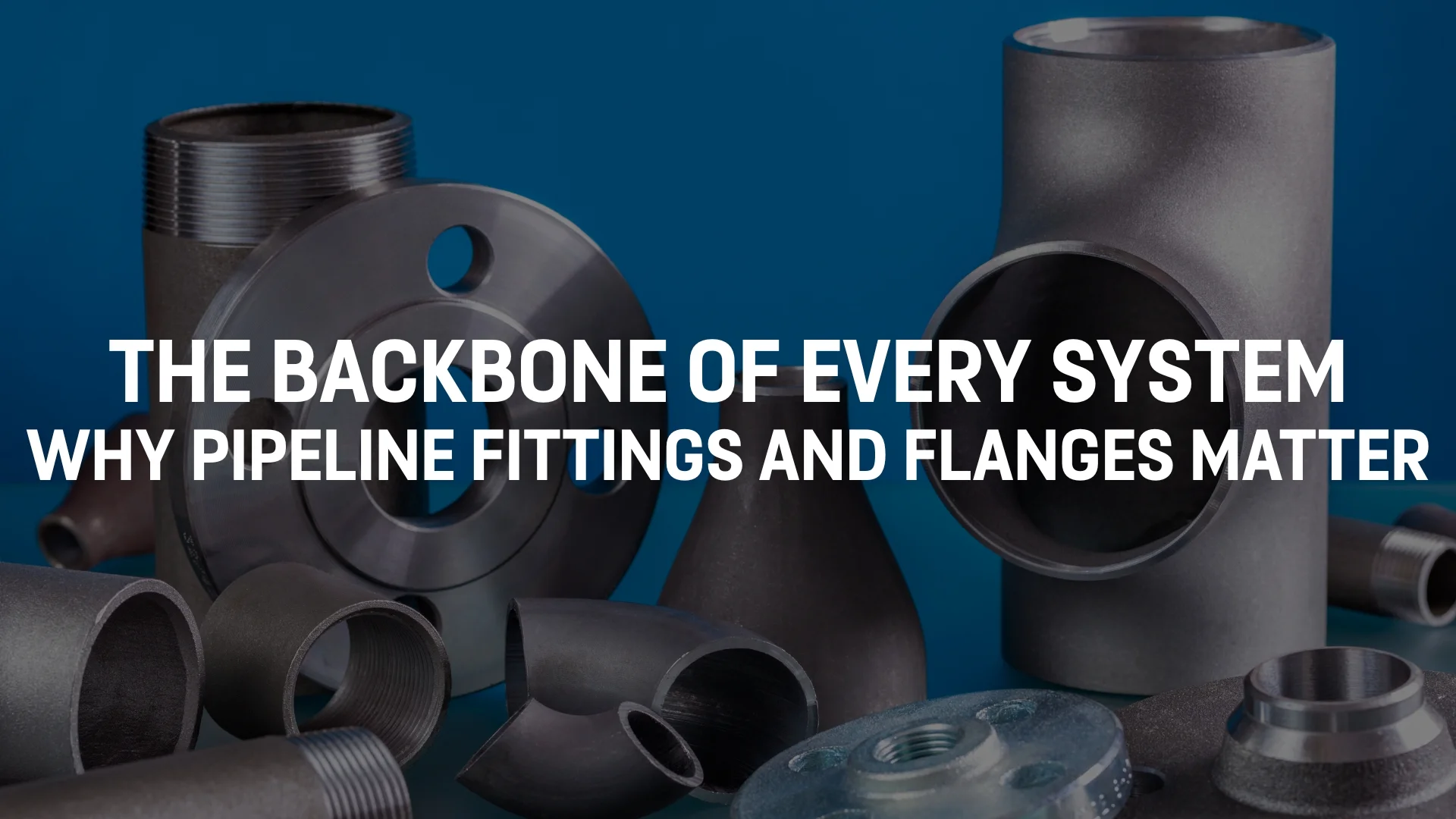
Key Components That Keep Industry Flowing
Whether you’re managing a chemical plant, outfitting a water treatment facility, or building a high-pressure steam line, pipeline fittings and flanges are at the core of every reliable piping system. These components connect, secure, and support pipes in a way that ensures safe, efficient operation — no matter the environment or application.
In this post, we’ll explore why pipeline fittings and flanges are more than just basic hardware. We'll also explain the different types available and where they’re commonly used across industries.
What Are Pipeline Fittings and Flanges?
Pipeline fittings and flanges are used to assemble and maintain piping systems. Fittings change the direction of flow, alter pipe diameter, or allow branching and termination. Flanges, on the other hand, offer a solid method of connecting pipes, valves, pumps, and other equipment using bolted joints — often allowing for easy disassembly and maintenance.
From 150lb screwed pipe fittings to ANSI B16.5 flanges and BS10:1962 flange types, there is a wide variety available depending on pressure ratings, materials, and connection types. Choosing the right pipeline fittings and flanges is critical to system integrity.
Types of Pipeline Fittings and Flanges You Should Know
To help you make the right choice, here are some of the most common types we supply:
-
Butt weld fittings – Ideal for high-pressure, permanent connections with smooth flow characteristics
-
Socket weld fittings – Perfect for small-bore, high-strength pipe systems
-
150lb barbed hose tails – A great solution for flexible hose connections
-
BS4504 PN10/16 and PN40 flanges – European standard for metric pipework
-
ANSI B16.5 flanges (150lb & 300lb) – Globally recognised and pressure-rated
-
Pipeline brackets and hangers – Essential for supporting pipe alignment and preventing mechanical strain
-
Stainless steel cam and groove fittings – Quick-connect solutions for fast, reliable hose-to-pipe transfers
-
Tank connectors and bulkhead fittings – Create leak-proof access through tank walls
Each of these pipeline fittings and flanges serves a unique purpose and plays a vital role in creating safe, efficient, and leak-free piping systems.
Why Pipeline Fittings and Flanges Are So Important
Without high-quality pipeline fittings and flanges, systems are prone to leaks, misalignment, vibration, and costly breakdowns. These components do more than just join pipes — they provide structural stability, allow for controlled flow, and make maintenance possible without cutting or welding pipework every time.
In high-pressure or hygienic environments, the right choice of fitting or flange can be the difference between smooth operation and system failure.
These components are everywhere:
Each system relies on the precision, durability, and compatibility of its pipeline fittings and flanges to perform under pressure — both literally and figuratively.
Link Up With The Right Hardware
If you’re planning a new installation or upgrading an existing one, we’ve built a comprehensive range of dedicated pages to help you find the exact pipeline fittings and flanges you need:
Each page offers detailed technical insights, key features, and industry applications so you can make an informed decision.
Need Help? We're Just a Call Away.
Not sure which fitting or flange is right for your project? Our technical team is happy to help. We stock a huge range of pipeline fittings and flanges and can advise on compatibility, standards, and materials based on your specific requirements.
Get in touch with us today or browse our full product selection to get started.